Hey there! I’m a supplier of electrofusion fittings, and today I want to chat about whether electrofusion fittings are easy to transport. It’s a question I get a lot from customers, and it’s an important one, because how easy or hard it is to move these fittings around can really impact a project’s bottom line and timeline. Electrofusion Fittings
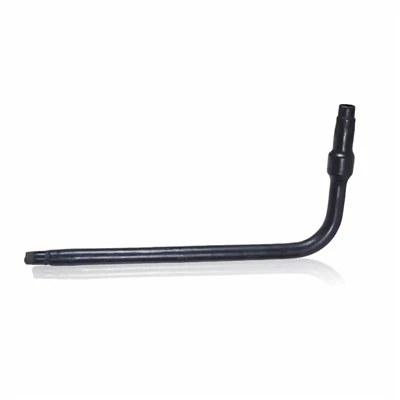
First off, let’s talk about what electrofusion fittings actually are. They’re used to join pipes made from materials like polyethylene (PE) in a bunch of different industries, including water supply, gas distribution, and wastewater management. These fittings use an electric current to heat up built – in heating coils, which then melts the fitting and the pipe it’s attached to, creating a strong, leak – free joint.
When it comes to transport, one of the big advantages of electrofusion fittings is their weight. Compared to some other types of pipe – joining methods or materials, electrofusion fittings are usually pretty light. For example, metal fittings can be heavy as hell. They need special equipment to lift and move, and transporting them costs a fortune because you’re basically paying for all that extra weight. But our electrofusion fittings are made from lightweight plastics like HDPE (High – Density Polyethylene). This means they’re much easier to handle and cheaper to ship. You don’t need a huge, fancy truck or a whole bunch of workers just to move them from one place to another.
The size of electrofusion fittings also plays a role in their transportability. Most of the fittings we supply come in standard sizes that are easy to stack and package. We can fit a whole bunch of them in a single crate or pallet, which is super convenient for shipping companies. They can be arranged in an organized way so that they take up as little space as possible. And because they’re stackable, you can ship a lot more of them at once, which is great for reducing shipping costs. Whether you’re sending them across town or across the country, these standard – sized, stackable fittings are a breeze to load and unload.
Another cool thing about electrofusion fittings is that they’re generally pretty durable. They’re not like some fragile items that can break at the slightest jolt. During transport, there’s always a risk of things getting bumped around, but electrofusion fittings can withstand a fair amount of rough handling. The plastic material they’re made of is tough and resistant to impacts. This means that the chances of them getting damaged during shipping are much lower compared to other more delicate types of fittings. And that’s a huge plus, because you don’t want to receive a shipment only to find that half of your fittings are broken.
But it’s not all roses and sunshine. There are a few potential challenges when it comes to transporting electrofusion fittings. One of the main issues is the cold weather. Plastic can become brittle in low temperatures. If the fittings are being transported in really cold conditions, say in winter or in a cold climate region, there’s a higher risk of them cracking or getting damaged. To deal with this, we often use special packaging materials that can insulate the fittings and keep them at a reasonable temperature. We might also recommend that customers schedule their shipments during milder weather if possible.
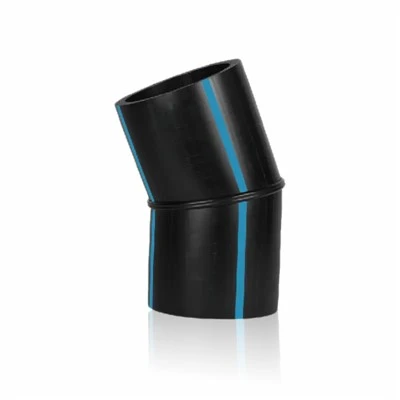
Also, the shape of some electrofusion fittings can be a bit tricky. Some of them have irregular shapes with protruding parts. While they’re designed that way for a good reason (to fit properly on the pipes), it can make packaging and stacking a bit more difficult. You have to be careful to arrange them in a way that protects those delicate parts. We’ve spent a lot of time figuring out the best packing methods to deal with these issues. We use custom – made foam inserts and dividers to keep the fittings separated and protected during transit.
Let’s talk about the cost factor in a bit more detail. Shipping costs are a major concern for everyone involved in a project. As I mentioned earlier, the lightweight nature of electrofusion fittings helps keep these costs down. You can save a significant amount of money on shipping fees compared to heavier alternatives. And because they’re less likely to get damaged, you also avoid the costs associated with replacing broken items. This can add up to some serious savings over the course of a large project.
In addition to cost savings, the ease of transport also means that you can get your electrofusion fittings to the job site faster. With fewer logistical headaches, shipping companies can get them to you in a shorter time frame. This is crucial for construction projects, where delays can be extremely costly. Having your fittings arrive on time can help keep the whole project on schedule and avoid those expensive hold – ups.
Now, let’s think about international transport. When you’re shipping electrofusion fittings overseas, there are a whole new set of rules and regulations to deal with. You have to worry about customs clearance, import duties, and different shipping standards in different countries. But even in this context, electrofusion fittings have an edge. Their lightweight and durable nature make them a more attractive option for international shipping. They’re less likely to be subject to hefty weight – based fees, and their robust construction means they can withstand the longer journeys and more complex handling processes involved in global shipping.
So, to sum it all up, electrofusion fittings are generally pretty easy to transport. Their lightweight, stackable, and durable characteristics make them a great choice for both local and international shipping. Sure, there are some challenges like cold – weather damage and tricky shapes, but with the right packaging and planning, these issues can be easily managed.
If you’re in the market for electrofusion fittings, I’d love to have a chat with you. Whether you’re working on a small – scale plumbing project or a large – scale infrastructure development, we’ve got the right fittings for you. And if you have any more questions about transport or anything else related to electrofusion fittings, just reach out. We’re here to help you make the best choices for your project.
Steel-plastic Joint References:
- "Plastic Pipes Handbook" – A comprehensive guide on plastic pipe systems including electrofusion fittings
- Industry reports on pipe – joining and transportation costs in the water, gas, and wastewater sectors
Yuyao Aoshi Hydraulic Components Manufacturing Co., Ltd.
As one of the most professional electrofusion fittings manufacturers and suppliers in China, we’re featured by quality products and good service. Please rest assured to wholesale electrofusion fittings in stock here and get quotation from our factory. Customized orders are welcome.
Address: Huilong village, Zhangting town, Yuyao city, Zhejiang province, China.
E-mail: renxuwei@vip.163.com
WebSite: https://www.jintongtrading.com/
