Hey there! I’m an analog radio supplier, and I’ve been dealing with these classic devices for ages. One of the most common questions I get from customers is how to adjust the volume of an analog radio. So, I thought I’d put together this blog post to share some tips and tricks on the topic. Analog Radio

Understanding the Basics of Analog Radio Volume
First things first, let’s talk about how an analog radio works when it comes to volume. Unlike digital radios that use software to control the volume, analog radios rely on physical components. The main part that controls the volume is the volume control knob. This knob is usually connected to a potentiometer, which is a variable resistor. When you turn the knob, you’re changing the resistance in the circuit, which in turn affects the amount of electrical signal that reaches the speaker.
The louder you want the radio to play, the more you turn the knob in the direction that increases the volume. Usually, turning it clockwise makes the radio louder, and turning it counter – clockwise makes it quieter. But it’s not always a one – size – fits – all situation. Some older or more unique models might have the opposite configuration.
Step – by – Step Guide to Adjusting the Volume
Step 1: Locate the Volume Control Knob
This might sound obvious, but it can be a bit tricky, especially if you’re dealing with a vintage analog radio. The volume control knob is often labeled with a "VOL" or a simple speaker icon. On some radios, it might be part of a multi – function knob that also controls other things like tuning. Take a good look at the front panel of your radio to find it.
Step 2: Start with a Low Volume
Before you start blasting your ears, it’s a good idea to turn the volume knob to a low setting. This is especially important if you’re not sure how loud the radio can get or if you’re using it in a new environment. You can always turn it up later.
Step 3: Turn the Knob Slowly
Once you’ve found the volume control knob and set it to a low level, start turning it slowly in the direction of increasing volume. As you turn, listen carefully to the sound. You’ll start to notice that the sound gets louder gradually. Pay attention to any changes in the quality of the sound. If you start to hear distortion or crackling, it might mean you’ve turned the volume up too high.
Step 4: Find the Sweet Spot
The "sweet spot" is the volume level where the sound is clear, loud enough for you to enjoy, but not so loud that it causes distortion. This can vary depending on the radio model, the quality of the speakers, and your personal preference. Keep adjusting the volume until you find that perfect level.
Troubleshooting Volume Issues
Sometimes, you might run into some problems when trying to adjust the volume of your analog radio. Here are some common issues and how to fix them:
The Volume Knob is Stiff
If the volume control knob is hard to turn, it could be due to dirt or dust inside the radio. You can try using a can of compressed air to blow out any debris around the knob. If that doesn’t work, you might need to open up the radio and clean the potentiometer with a contact cleaner. But be careful when doing this, as opening up a radio can be dangerous if you’re not familiar with electronics.
No Sound When Turning the Volume Up
If you turn the volume knob all the way up and still don’t hear any sound, there could be a few reasons. First, check to make sure the radio is properly plugged in or has working batteries. Next, check the audio output connections. If the radio is connected to external speakers, make sure the cables are plugged in correctly. If none of these solutions work, there might be a problem with the amplifier or the potentiometer itself. In this case, it’s best to take the radio to a professional for repair.
Distorted Sound at High Volumes
If the sound starts to distort when you turn the volume up, it could be a sign that the speakers are being over – driven. Try reducing the volume until the distortion goes away. You can also try adjusting the tone controls to see if that improves the sound quality. If the problem persists, it could be an issue with the amplifier or the speakers themselves.
Maintaining Your Analog Radio for Optimal Volume
To keep your analog radio in good shape and ensure that the volume control works properly, there are a few things you can do:
Keep it Clean
Regularly dust the exterior of the radio with a soft, dry cloth. You can also use a slightly damp cloth for a deeper clean, but make sure to dry it thoroughly afterwards. As I mentioned before, keeping the inside of the radio clean is also important. You can use compressed air to clean out the vents and other areas where dust can accumulate.
Avoid Extreme Conditions
Analog radios are sensitive to extreme temperatures and humidity. Try to keep your radio in a cool, dry place. Avoid leaving it in direct sunlight or in a very humid environment, as this can damage the internal components and affect the volume control.
Use the Right Power Source
Make sure you’re using the correct power source for your radio. If you’re using batteries, replace them regularly to ensure a consistent power supply. If you’re using an AC adapter, make sure it’s the right voltage and amperage for your radio.
Why Choose an Analog Radio?
You might be wondering why anyone would still want an analog radio in this digital age. Well, there are a few reasons. First of all, analog radios have a warm, rich sound that many people prefer over digital radios. They also tend to be more reliable in areas with poor digital reception. And let’s not forget about the nostalgia factor. There’s something really cool about turning a big, chunky knob on an old – fashioned radio.
As an analog radio supplier, I’ve seen firsthand how much people love these classic devices. Whether you’re a collector, a music lover, or just someone who wants a simple and reliable way to listen to the radio, an analog radio is a great choice.
Get in Touch for Your Analog Radio Needs
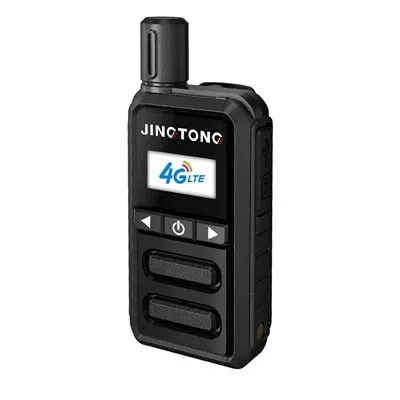
If you’re interested in purchasing an analog radio or have any questions about volume adjustment or any other aspect of these amazing devices, I’d love to hear from you. We have a wide range of analog radios in different styles, sizes, and price ranges. Whether you’re looking for a small, portable radio for your travels or a large, high – end model for your living room, we’ve got you covered.
Analog Ham Radio Just reach out to us, and we’ll be happy to help you find the perfect analog radio for your needs. We can also provide you with more in – depth information about how to take care of your radio and get the most out of it.
References
- "The Radio Handbook" by Tomasi, Stan G.
- "Analog Electronics for Dummies" by Cathleen Shamieh and Gordon McComb.
Jingtong (Quanzhou) Electronics Co., Ltd.
We are one of the most professional analog radio manufacturers and suppliers in China, specialized in providing high quality customized service. We warmly welcome you to buy durable analog radio made in China here from our factory. For price consultation, contact us.
Address: No.288, Si Huang Industry Zone, Xia Mei Town, Nan An, Quanzhou, Fujian province, China 362302
E-mail: jtdjj@jtdjj.com
WebSite: https://www.jteradio.com/
