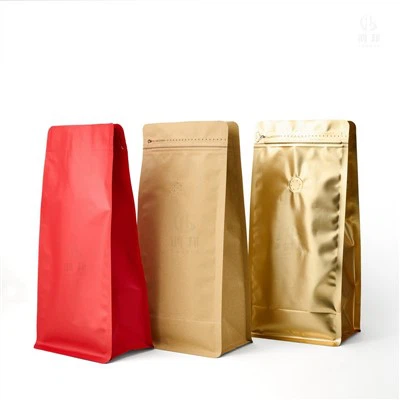
Vacuum bags are essential tools in various industries, from food preservation to manufacturing processes. As a vacuum bag supplier, I often get asked about the materials used to make these bags. In this blog post, I’ll delve into the different materials that vacuum bags are made of, their properties, and their applications. Vacuum Bag
Polyethylene (PE)
Polyethylene is one of the most commonly used materials for vacuum bags. It is a thermoplastic polymer that is known for its flexibility, durability, and chemical resistance. PE vacuum bags are available in different densities, including low-density polyethylene (LDPE) and high-density polyethylene (HDPE).
- LDPE Vacuum Bags: LDPE is a soft and flexible material that is often used for food packaging. It has good clarity, which allows users to easily see the contents of the bag. LDPE vacuum bags are also resistant to moisture and oxygen, which helps to preserve the freshness of food. They are commonly used for storing fruits, vegetables, meats, and other perishable items.
- HDPE Vacuum Bags: HDPE is a more rigid and stronger material than LDPE. It has a higher melting point and better puncture resistance, making it suitable for heavy-duty applications. HDPE vacuum bags are often used in industrial settings for packaging tools, parts, and other non-food items. They can also be used for long-term storage of items that require protection from moisture and dust.
Polypropylene (PP)
Polypropylene is another popular material for vacuum bags. It is a thermoplastic polymer that is similar to polyethylene but has some unique properties. PP vacuum bags are known for their high clarity, excellent heat resistance, and good chemical resistance.
- Biaxially Oriented Polypropylene (BOPP) Vacuum Bags: BOPP is a type of polypropylene that has been stretched in both the machine and transverse directions. This process gives BOPP vacuum bags a high degree of clarity, stiffness, and barrier properties. BOPP vacuum bags are often used for packaging snacks, confectionery, and other dry food products. They are also suitable for packaging non-food items such as electronics, cosmetics, and textiles.
- Cast Polypropylene (CPP) Vacuum Bags: CPP is a type of polypropylene that is produced by casting the polymer onto a chilled roll. CPP vacuum bags are known for their good heat-sealing properties, flexibility, and transparency. They are often used for packaging fresh produce, bakery items, and other food products that require a high level of protection.
Nylon
Nylon is a synthetic polymer that is known for its strength, durability, and resistance to abrasion. Nylon vacuum bags are often used in industrial applications where high strength and puncture resistance are required.
- Monolayer Nylon Vacuum Bags: Monolayer nylon vacuum bags are made from a single layer of nylon material. They are known for their high strength and puncture resistance, making them suitable for packaging heavy and sharp objects. Monolayer nylon vacuum bags are often used in the automotive, aerospace, and manufacturing industries for packaging parts, tools, and other items.
- Multilayer Nylon Vacuum Bags: Multilayer nylon vacuum bags are made from multiple layers of nylon and other materials. They are designed to provide a high level of barrier protection against oxygen, moisture, and other gases. Multilayer nylon vacuum bags are often used for packaging food products that require a long shelf life, such as meats, cheeses, and ready-to-eat meals.
Polyester
Polyester is a synthetic polymer that is known for its strength, durability, and resistance to heat and chemicals. Polyester vacuum bags are often used in industrial applications where high strength and heat resistance are required.
- Polyester Film Vacuum Bags: Polyester film vacuum bags are made from a thin layer of polyester material. They are known for their high strength, transparency, and heat resistance. Polyester film vacuum bags are often used in the electronics, pharmaceutical, and food industries for packaging products that require a high level of protection.
- Polyester Laminated Vacuum Bags: Polyester laminated vacuum bags are made from a layer of polyester material that is laminated to another material, such as polyethylene or nylon. They are designed to provide a high level of barrier protection against oxygen, moisture, and other gases. Polyester laminated vacuum bags are often used for packaging food products that require a long shelf life, such as meats, cheeses, and ready-to-eat meals.
Other Materials
In addition to the materials mentioned above, there are other materials that can be used to make vacuum bags. These materials include:
- Aluminum Foil: Aluminum foil is a thin layer of aluminum that is often used in vacuum bags to provide a high level of barrier protection against oxygen, moisture, and other gases. Aluminum foil vacuum bags are often used for packaging food products that require a long shelf life, such as meats, cheeses, and ready-to-eat meals.
- Paper: Paper is a natural material that is often used in vacuum bags to provide a breathable and eco-friendly packaging solution. Paper vacuum bags are often used for packaging dry food products, such as grains, nuts, and coffee.
- Biodegradable Materials: Biodegradable materials are materials that can be broken down by natural processes over time. Biodegradable vacuum bags are often made from materials such as cornstarch, potato starch, and cellulose. They are designed to provide a sustainable and eco-friendly packaging solution for food products.
Applications of Vacuum Bags
Vacuum bags are used in a wide range of applications, including:
- Food Preservation: Vacuum bags are commonly used for food preservation. They help to remove oxygen from the bag, which slows down the growth of bacteria and other microorganisms. This helps to extend the shelf life of food products and keep them fresh for longer.
- Manufacturing Processes: Vacuum bags are also used in manufacturing processes. They are often used to create a vacuum environment for processes such as composite molding, vacuum forming, and vacuum infusion. This helps to improve the quality and consistency of the products being manufactured.
- Storage and Transportation: Vacuum bags are also used for storage and transportation. They help to protect items from moisture, dust, and other contaminants. This helps to keep items in good condition and prevent damage during storage and transportation.
Conclusion
In conclusion, vacuum bags are made from a variety of materials, each with its own unique properties and applications. As a vacuum bag supplier, I understand the importance of choosing the right material for your specific needs. Whether you are looking for a bag to preserve food, package industrial products, or store items, I can help you find the right solution.
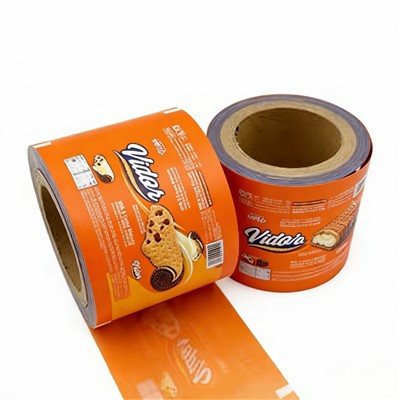
Packaging Roll Film If you are interested in learning more about vacuum bags or would like to discuss your specific needs, please feel free to contact me. I would be happy to answer any questions you may have and provide you with a quote.
References
- "Polyethylene: Properties and Applications." Plastics Technology, https://www.plasticstechnology.com/articles/polyethylene-properties-and-applications.
- "Polypropylene: Properties and Applications." Plastics Technology, https://www.plasticstechnology.com/articles/polypropylene-properties-and-applications.
- "Nylon: Properties and Applications." Plastics Technology, https://www.plasticstechnology.com/articles/nylon-properties-and-applications.
- "Polyester: Properties and Applications." Plastics Technology, https://www.plasticstechnology.com/articles/polyester-properties-and-applications.
- "Vacuum Packaging: Principles and Applications." Food Packaging Science and Technology, edited by Tara McHugh and Srinivas Damodaran, CRC Press, 2019.
Shenzhen Hongbang Packaging Production Co., Ltd.
We are one of the most experienced vacuum bag manufacturers and suppliers in China, specialized in providing high quality custom service. Please feel free to buy bulk vacuum bag made in China here from our factory. For quotation and free sample, contact us now.
Address: Room 601, BLDG D, Wisdom Centre, No. 58 Nanlian Road, Longgang, Shenzhen China 518116
E-mail: pm@hongbangpack.com
WebSite: https://www.hongbangpack.com/
