When it comes to surgical tools, skin staplers stand out as a remarkable innovation in the medical field. As a skin stapler supplier, I’ve had numerous interactions with medical professionals, including surgeons, nurses, and medical students. One question that frequently arises in these conversations is whether skin staplers require special training to use. In this blog, I’ll delve into this topic, exploring the technical aspects, safety concerns, and the importance of proper training. Skin Stapler
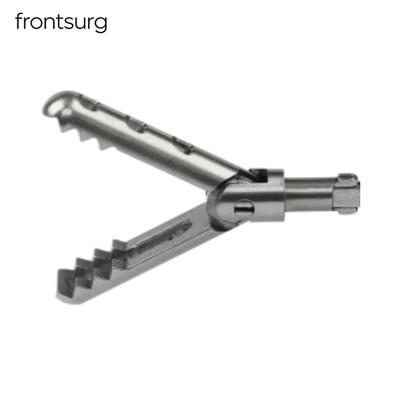
The Complexity of Skin Staplers
Skin staplers are designed to simplify and expedite the wound closure process. They work by driving staples through the skin layers, holding the edges of the wound together until it heals. At first glance, the operation might seem straightforward: load the staples, position the device over the wound, and squeeze the handle. However, the reality is more nuanced.
Different types of skin staplers are available on the market, each with its own set of features and functions. Some are designed for specific types of wounds, such as those on the face or extremities, while others are more versatile. For example, disposable skin staplers are often used in emergency rooms and outpatient settings due to their convenience and cost – effectiveness. Reusable staplers, on the other hand, are commonly found in operating rooms and require proper sterilization between uses.
The design of the stapler also plays a crucial role in its operation. The staple size, shape, and the mechanism for staple deployment can vary significantly. Some staplers use a single – fire mechanism, where one staple is deployed at a time, while others use a continuous – fire mechanism for faster wound closure. Understanding these differences is essential for achieving optimal results.
Safety Concerns
Using a skin stapler incorrectly can lead to a range of complications. One of the most common issues is improper staple placement. If the staples are placed too close together, it can cause excessive tissue ischemia, leading to poor wound healing and an increased risk of infection. On the other hand, if the staples are placed too far apart, the wound edges may not be held together securely, resulting in wound dehiscence.
Another safety concern is the risk of staple misfiring. A misfired staple can cause trauma to the surrounding tissue, increasing the patient’s pain and discomfort. In some cases, it may even require additional procedures to remove the misfired staple.
Furthermore, improper handling of the stapler can pose a risk to the healthcare provider. The sharp edges of the staples and the mechanical components of the device can cause accidental injuries, such as cuts and punctures. These injuries not only put the provider at risk of physical harm but also increase the risk of cross – contamination.
The Importance of Special Training
Given the complexity of skin staplers and the associated safety concerns, it’s clear that special training is necessary for their proper use. Training programs typically cover a wide range of topics, including the basic principles of wound closure, the anatomy and physiology of the skin, and the specific features and operation of the skin stapler.
During the training, participants learn how to select the appropriate stapler and staple size for different types of wounds. They also practice proper staple placement techniques, including how to align the stapler with the wound edges and how to apply the correct amount of pressure. In addition, trainees are taught how to troubleshoot common problems, such as staple misfiring and jams.
Hands – on training is an essential component of any skin stapler training program. Participants have the opportunity to practice using the stapler on simulated wounds or animal models under the supervision of experienced instructors. This hands – on experience allows them to develop the necessary skills and confidence to use the stapler safely and effectively in a clinical setting.
Training Programs in the Medical Community
In the medical community, there are several avenues for obtaining training on skin stapler use. Many medical schools and residency programs include training on surgical techniques, including the use of skin staplers, as part of their curriculum. These programs provide students with a solid foundation in the principles of wound closure and the proper use of surgical instruments.
In addition, many hospitals and healthcare facilities offer in – house training programs for their staff. These programs are often tailored to the specific needs of the facility and the types of procedures performed. They may include lectures, demonstrations, and hands – on training sessions.
Third – party organizations also offer training courses on skin stapler use. These courses are typically more specialized and may focus on specific types of staplers or applications. They are often attended by experienced healthcare professionals who are looking to enhance their skills or stay up – to – date with the latest developments in the field.
Our Role as a Skin Stapler Supplier
As a skin stapler supplier, we recognize the importance of providing our customers with the necessary support and resources to use our products safely and effectively. That’s why we offer comprehensive training programs for our customers. Our training programs are designed to meet the needs of healthcare professionals at all levels of experience, from beginners to experts.
Our training courses cover all aspects of skin stapler use, from the basic principles to advanced techniques. We use a combination of lectures, demonstrations, and hands – on training to ensure that our participants have a thorough understanding of the product and its proper use. In addition, we provide ongoing support to our customers, including technical assistance and product updates.
We also work closely with medical schools, hospitals, and other healthcare organizations to promote the proper use of skin staplers. We participate in educational events and conferences, where we share our knowledge and expertise with the medical community. By doing so, we hope to contribute to the improvement of patient care and the advancement of the surgical field.
Conclusion
In conclusion, skin staplers are powerful tools that can significantly improve the efficiency and quality of wound closure. However, they require special training to use safely and effectively. The complexity of the device, the associated safety concerns, and the importance of achieving optimal results all underscore the need for proper training.
Tissue Closure and Ligation As a skin stapler supplier, we are committed to providing our customers with the highest quality products and the best possible support. If you are interested in learning more about our skin staplers or our training programs, we invite you to contact us for a purchasing negotiation. Our team of experts is ready to answer your questions and help you find the right solutions for your needs.
References
- Graham, M. W., & Havey, R. M. (2001). Basics of surgical wound closure. In M. H. Zinner & K. L. Ashley (Eds.), Maingot’s abdominal operations (10th ed., pp. 173 – 190). McGraw – Hill.
- Haut, E. R., & Nathens, A. B. (2009). Wound closure techniques: Staples, sutures, and alternatives. Surgical Clinics of North America, 89(6), 1381 – 1394.
- Maddern, G. J., Baxter, – Moffatt, J., & Kingsnorth, A. N. (2004). Staples versus sutures for skin closure after surgery. The Cochrane Database of Systematic Reviews, (3), CD003641.
Frontmed (Hangzhou) Trading Co., Ltd.
Frontmed (Hangzhou) Trading Co., Ltd. is one of the most experienced skin stapler manufacturers and suppliers in China, also supports custom service. Please rest assured to wholesale high quality skin stapler made in China here from our factory. Contact us for more details.
Address: Room 406, Building 6, No.1688 Chunjiang East Rd, Tonglu, 311500, Hangzhou
E-mail: alex@frontsurg.com
WebSite: https://www.frontsurg.com/
