Yo, what’s up! I’m a supplier of glass wool insulation, and I often get asked how glass wool insulation stacks up against rock wool insulation. So, I thought I’d break it down for you in this blog post. Glass Wool Insulation
Understanding the Basics
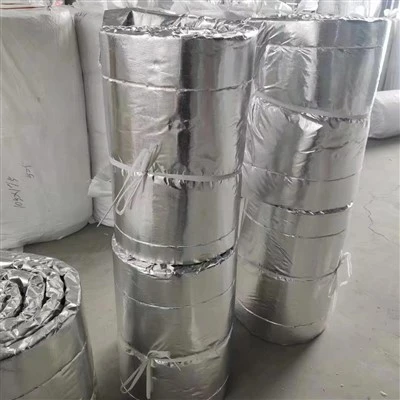
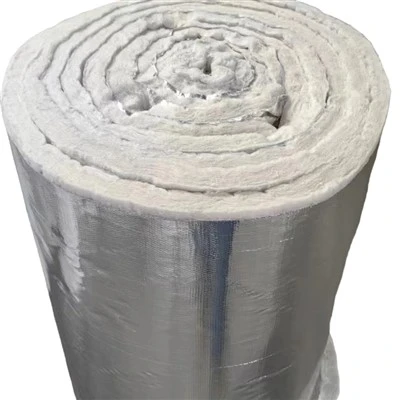
Let’s start with the basics. Glass wool insulation is made from recycled glass and sand that are melted at high temperatures and then spun into fibers. These fibers are then formed into batts, rolls, or loose – fill materials. On the other hand, rock wool insulation is made from volcanic rock, typically basalt. The rock is melted and spun into fibers in a similar way to glass wool.
Thermal Insulation Performance
One of the most important aspects of insulation is its thermal performance, usually measured by its R – value. The R – value indicates how well a material resists heat flow. In general, both glass wool and rock wool have good thermal insulation properties. However, glass wool often has a slightly better R – value per inch compared to rock wool.
For example, a typical 3.5 – inch thick glass wool batt can have an R – value of around 11, while a similar thickness of rock wool might have an R – value of around 10. This means that glass wool can be a bit more effective at keeping your home warm in the winter and cool in the summer. But hey, the difference isn’t huge, and in many cases, both will do a great job of insulating your space.
Fire Resistance
Fire safety is a big deal when it comes to insulation. Rock wool is known for its excellent fire – resistant properties. It’s non – combustible and can withstand extremely high temperatures without catching fire. It can act as a fire barrier, helping to slow the spread of flames in a building.
Glass wool also has good fire resistance. It doesn’t burn easily, but it’s not as fire – proof as rock wool. However, modern glass wool insulation often comes with fire – retardant treatments that enhance its fire – resistant capabilities. So, if you’re in an area where fire safety is a major concern, rock wool might be a better option, but glass wool can still be a reliable choice with the right treatments.
Moisture Resistance
Moisture can be a real pain when it comes to insulation. If insulation gets wet, its thermal performance can drop significantly, and it can even lead to mold growth. Rock wool has a natural advantage in moisture resistance. It can absorb moisture without losing its shape or insulation properties. It also allows water to drain away easily.
Glass wool, on the other hand, is more sensitive to moisture. When it gets wet, it can sag and lose its insulating effectiveness. But again, there are ways around this. We can provide glass wool with special moisture – resistant coatings or encapsulation to prevent water penetration. So, if you’re installing insulation in a damp area, you need to take extra precautions with glass wool, but it can still work well with the right protection.
Sound Insulation
Both glass wool and rock wool are great at reducing noise. They work by absorbing sound waves, which helps to create a quieter indoor environment. In terms of sound insulation performance, they’re quite similar. The density and thickness of the insulation mainly determine how well it insulates against sound.
For a home theater or a room next to a noisy street, either glass wool or rock wool can be a good choice. You might want to choose based on other factors like cost or ease of installation when sound insulation is your primary concern.
Cost
Cost is always a factor in any construction or renovation project. In general, glass wool insulation is more affordable than rock wool. The raw materials for glass wool are more readily available, and the manufacturing process is a bit less expensive. This can make glass wool a more budget – friendly option, especially for large – scale projects.
However, you have to consider the long – term costs. If you need better fire or moisture resistance, spending a bit more on rock wool might save you money in the long run by preventing damage and replacement. Still, for most everyday applications, glass wool offers a great balance of performance and cost.
Installation
Installation is yet another aspect to consider. Glass wool is lightweight and easy to cut and handle. It can be installed quickly, which can save on labor costs. You can easily fit it into standard wall cavities, attic spaces, or around pipes.
Rock wool, on the other hand, is heavier and denser. It can be a bit more difficult to install, especially in hard – to – reach areas. The fibers in rock wool can also be more irritating to the skin and lungs compared to glass wool, so installers need to take extra precautions like wearing protective gear.
Environmental Impact
Environmental friendliness is becoming more and more important these days. Glass wool has a couple of environmental advantages. It’s made from recycled glass, which helps to reduce waste. Also, during the manufacturing process, it uses less energy compared to rock wool.
Rock wool is also quite eco – friendly. The raw materials (volcanic rock) are abundant, and it has a long lifespan, reducing the need for frequent replacements. But overall, in terms of energy use during production and recycling potential, glass wool might have a slight edge.
Conclusion
So, how does glass wool insulation compare to rock wool insulation? Well, each has its own pros and cons. Glass wool offers better thermal performance, is more affordable, easier to install, and has a slight environmental edge. Rock wool, on the other hand, shines in terms of fire and moisture resistance.
If you’re working on a general – purpose insulation project with a tight budget, glass wool is a solid choice. But if you’re in a high – risk area for fire or moisture, rock wool might be worth the extra investment.
Aluminum Silicate Insulation If you’re interested in learning more about our glass wool insulation products, or if you’re thinking about making a purchase, just reach out! I’d be more than happy to have a chat with you about your specific needs and how our glass wool can work for your project. Whether you’re a contractor, a builder, or a DIY enthusiast, we’ve got the insulation solutions you’re looking for. So, don’t hesitate to contact me for a quote or to discuss your project in more detail.
References
- "Insulation Materials: A Comprehensive Guide" by Building Science Press
- "Thermal and Acoustic Insulation Handbook" by Technical Publishing House
Langfang Yafeng Energy-Saving Technology Co., Ltd.
As one of the most professional glass wool insulation manufacturers and suppliers in China, we’re featured by quality products and good price. Please rest assured to buy bulk premium glass wool insulation for sale here from our factory. Welcome to view our website for more information.
Address: Langfang Xinyafeng, Liugezhuang Town, Dacheng County, Langfang City, Hebei Province
E-mail: yafengbaowen@gmail.com
WebSite: https://www.xyfinsulation.com/
