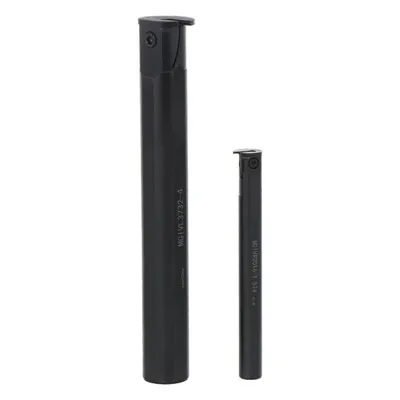
As a supplier of U drills, I’ve encountered numerous situations where customers face issues with drill jams. A jammed U drill can not only disrupt the machining process but also cause damage to the workpiece and the drill itself. In this blog, I’ll share some practical tips on how to handle U drills in case of a jam, based on my years of experience in the industry. U Drills
Understanding the Causes of U Drill Jams
Before diving into the solutions, it’s essential to understand the root causes of U drill jams. Several factors can contribute to this problem, including:
- Chip Evacuation Issues: One of the most common causes of U drill jams is poor chip evacuation. When chips are not removed efficiently from the drill flute, they can accumulate and clog the drill, leading to a jam. This can happen if the cutting speed is too high, the feed rate is too low, or the coolant is not applied effectively.
- Incorrect Drill Geometry: The geometry of the U drill plays a crucial role in its performance. If the drill has incorrect flute design, tip angle, or point geometry, it can affect chip formation and evacuation, increasing the likelihood of a jam.
- Workpiece Material and Hardness: The type and hardness of the workpiece material can also impact the performance of the U drill. Some materials, such as stainless steel and titanium, are more prone to chip formation and can cause jams if not machined correctly.
- Machine and Tool Rigidity: The rigidity of the machining center and the toolholding system is essential for preventing drill jams. If the machine or toolholder is not rigid enough, it can cause vibration and deflection during the drilling process, leading to poor chip evacuation and jams.
Preventive Measures to Avoid U Drill Jams
Taking preventive measures is the best way to avoid U drill jams. Here are some tips to help you prevent jams and ensure smooth machining operations:
- Optimize Cutting Parameters: Adjust the cutting speed, feed rate, and depth of cut based on the workpiece material and the drill’s specifications. Using the correct cutting parameters can help improve chip formation and evacuation, reducing the risk of jams.
- Use Proper Coolant: Coolant plays a vital role in chip evacuation and tool life. Use a high-quality coolant that is specifically designed for drilling operations. Apply the coolant directly to the cutting edge of the drill to help flush out chips and reduce heat.
- Check Drill Geometry: Regularly inspect the drill geometry to ensure that it is in good condition. Replace any worn or damaged drills promptly to prevent jams.
- Improve Machine and Tool Rigidity: Ensure that the machining center and toolholding system are rigid enough to handle the drilling operation. Use high-quality toolholders and collets to minimize vibration and deflection.
- Monitor Chip Evacuation: Pay close attention to chip evacuation during the drilling process. If you notice that chips are not being removed efficiently, adjust the cutting parameters or the coolant flow rate.
Steps to Take When a U Drill Gets Jammed
Despite taking preventive measures, U drills can still get jammed occasionally. When this happens, it’s important to take the right steps to resolve the issue quickly and safely. Here’s what you should do:
- Stop the Machine Immediately: As soon as you notice that the drill is jammed, stop the machining center immediately. This will prevent further damage to the drill, the workpiece, and the machine.
- Relieve the Pressure: If the drill is stuck in the workpiece, try to relieve the pressure by reversing the spindle rotation or retracting the drill slightly. This can help loosen the drill and make it easier to remove.
- Do Not Force the Drill: Avoid applying excessive force to the drill in an attempt to remove it. Forcing the drill can cause it to break or damage the workpiece.
- Use a Back-Tapping Tool: If the drill is still stuck, you can try using a back-tapping tool to remove it. This tool is designed to grip the drill and rotate it in the opposite direction, helping to loosen it from the workpiece.
- Inspect the Drill and the Workpiece: After removing the jammed drill, inspect it carefully for any damage. Replace the drill if it is broken or worn. Also, inspect the workpiece for any damage or burrs. If necessary, repair or replace the workpiece.
- Identify the Cause of the Jam: Once the drill has been removed and inspected, try to identify the cause of the jam. This will help you take corrective measures to prevent similar issues from occurring in the future.
Troubleshooting Common U Drill Jam Problems
Here are some common U drill jam problems and their possible solutions:
- Chips Clogging the Drill Flute: If chips are clogging the drill flute, try reducing the cutting speed and increasing the feed rate. This can help improve chip evacuation. You can also try using a different coolant or increasing the coolant flow rate.
- Drill Binding in the Workpiece: If the drill is binding in the workpiece, it could be due to incorrect drill geometry or improper cutting parameters. Check the drill geometry and adjust the cutting speed, feed rate, and depth of cut as needed. You can also try using a higher-quality drill or a different type of drill.
- Vibration and Deflection: Vibration and deflection can cause poor chip evacuation and jams. Make sure that the machining center and toolholding system are rigid enough to handle the drilling operation. Use a high-quality toolholder and collet to minimize vibration and deflection. You can also try reducing the cutting speed and feed rate to reduce the load on the drill.
- Workpiece Material Issues: Some workpiece materials are more prone to chip formation and can cause jams. If you are machining a difficult-to-machine material, try using a drill that is specifically designed for that material. You can also try using a different cutting strategy or coolant to improve chip evacuation.
Conclusion
Handling U drills in case of a jam requires a combination of preventive measures, quick action, and troubleshooting skills. By understanding the causes of U drill jams and taking the necessary steps to prevent and resolve them, you can ensure smooth machining operations and extend the life of your drills.
Spade Drill As a trusted U drill supplier, I’m committed to providing high-quality products and excellent customer support. If you have any questions or need assistance with U drill jams or any other drilling-related issues, please don’t hesitate to contact me. I’ll be happy to help you find the best solutions for your machining needs.
References
- "Machining Handbook" by Industrial Press
- "Cutting Tool Engineering" magazine
- Technical resources from leading U drill manufacturers
Small Craftsman (Shandong) Machine & Tools Co., Ltd.
Small Craftsman (Shandong) Machine & Tools Co., Ltd. is one of the most experienced u drills manufacturers and suppliers in China, also supports customized service with low price. Please feel free to buy bulk high quality u drills in stock here from our factory. Contact us for pricelist.
Address: No.9 Quanxin Rd., Sishui Economic Developing Zone, Jining, Shandong, China.
E-mail: 6196@ocutchina.com
WebSite: https://www.ocutooling.com/
