Hey there! I’m a supplier of conveying equipment, and today I wanna chat about the safety devices commonly installed on this kind of equipment. Conveying equipment is super important in various industries, like manufacturing, logistics, and mining. But safety comes first, so these safety devices play a huge role. Conveying Equipment

Let’s start with emergency stop buttons. You’ve probably seen these on all sorts of machinery. They’re like the big red panic button. When there’s an emergency, you just press it, and the conveying equipment stops right away. It’s a simple but crucial safety measure. For example, if a worker’s hand gets caught in the conveyor belt or there’s some other dangerous situation, the operator can quickly hit the emergency stop button to prevent further harm. These buttons are usually easy to reach and clearly marked, so anyone can use them in a hurry.
Another common safety device is the belt alignment switch. Conveyor belts need to stay in the right position to work properly. If the belt starts to drift off – center, it can cause all sorts of problems, like damage to the belt itself, uneven wear, and even jams. The belt alignment switch senses when the belt is off – track. When it detects this, it sends a signal to stop the conveyor or adjust its position. This helps to keep the belt running smoothly and reduces the risk of breakdowns.
Then there are pull – cord switches. These are long cords that run along the side of the conveyor. If a worker sees a problem anywhere along the conveyor, they can pull the cord. Just like the emergency stop button, this will stop the conveyor immediately. Pull – cord switches are great because they cover a large area of the conveyor, so workers don’t have to be right next to an emergency stop button to stop the equipment. They’re especially useful in long conveyors where there might not be an emergency stop button close by at all times.
Overload protection devices are also very important. Conveyors can sometimes be overloaded with too much material. When this happens, the motor has to work harder, which can lead to overheating and even motor failure. Overload protection devices monitor the current or load on the motor. If the load exceeds a certain limit, the device will cut off the power to the motor. This protects the motor from damage and also prevents potential safety hazards, like fires caused by overheating.
Speed sensors are another key safety feature. They monitor the speed of the conveyor belt. If the belt starts to run too fast or too slow, it could be a sign of a problem. For example, a slow – moving belt might indicate a blockage or a mechanical issue, while a belt running too fast could be dangerous for workers handling the materials. The speed sensor can detect these speed changes and send a signal to adjust the speed or stop the conveyor if necessary.
Guards and enclosures are also commonly installed on conveying equipment. These are physical barriers that prevent workers from getting too close to moving parts, like the conveyor belt, rollers, and gears. Guards can be made of metal, plastic, or other materials. They’re designed to keep workers safe from getting caught in the machinery. For example, a guard around a conveyor roller can prevent a worker’s clothing or hand from getting pulled into the roller.
Light curtains are a high – tech safety device. They use infrared light beams to create an invisible barrier in front of the conveyor. If an object or a person breaks the light beam, the conveyor stops immediately. Light curtains are great because they’re non – contact, so they don’t interfere with the normal operation of the conveyor. They’re often used in areas where workers need to access the conveyor frequently, like loading and unloading areas.
Now, all these safety devices are not just for show. They’re essential for the safety of workers and the proper functioning of the conveying equipment. As a supplier, I always make sure to include these safety features in the equipment I provide. It’s not only the right thing to do, but it also helps our customers avoid costly accidents and downtime.
If you’re in the market for conveying equipment, whether it’s for a small – scale operation or a large industrial facility, safety should be at the top of your list. Our equipment comes with all these safety devices as standard, but we can also customize the safety features based on your specific needs.
We understand that every business is different, and the safety requirements might vary. That’s why we offer a range of options and can work with you to find the best solution for your situation. Whether you need a simple conveyor with basic safety features or a complex system with advanced safety technology, we’ve got you covered.
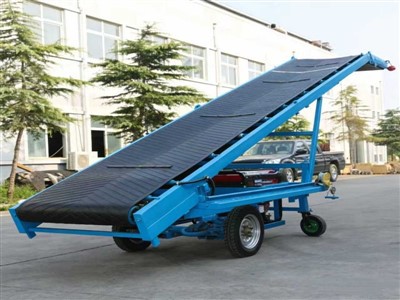
So, if you’re interested in learning more about our conveying equipment and the safety devices we offer, don’t hesitate to get in touch. We’d love to have a chat with you, answer your questions, and help you find the perfect conveying solution for your business. Just reach out, and we’ll start the conversation.
Silo References:
- Industry safety standards and guidelines for conveying equipment
- Manufacturer’s manuals for various safety devices used on conveyors
Henan Oumu Intelligent Storage Equipment Co., Ltd.
As one of the most professional conveying equipment manufacturers and suppliers in China, we’re featured by quality products and good service. Please rest assured to buy customized conveying equipment made in China here from our factory. For quotation, contact us now.
Address: No. 681, Xinzhong Avenue, Hongqi District, Xinxiang City, Henan Province
E-mail: luna@oumu-silo.com
WebSite: https://www.oumu-silo.com/
