Hey folks, if you’ve ever stood near an ore processing machine mid-shift, you know that dust isn’t just annoying—it’s a total pain. It gets in your eyes, clogs up valves on the machinery, and let’s be real, breathing that silica dust? That’s a health risk no one should have to deal with. As someone who’s been supplying ore processing machines for over a decade, I’ve seen way too many operations cut corners on dust control and end up with way bigger issues—higher maintenance costs, OSHA fines, and employees calling out sick way more than they should. Today, I’m breaking down how to actually control that dust, not just slap a random filter on the machine and call it a day. Ore Processing Machine
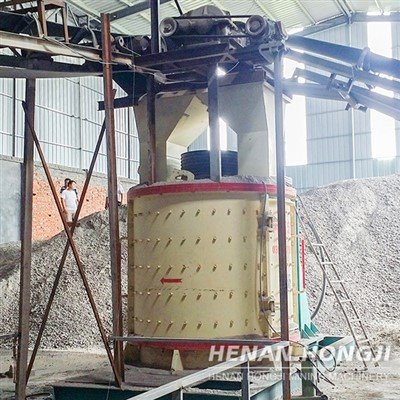
First, let’s get one thing straight: dust doesn’t just “happen.” It’s created when ore gets crushed, ground, or screened—all the steps in processing that break rock down into smaller pieces. The finer the ore, the more dust it kicks up. So your control strategy shouldn’t be one-size-fits-all. It needs to match your machine’s specific job, the type of ore you’re handling, and your facility’s layout. I’ve seen clients try to use a dust collector made for grain on a gold ore crusher, and it was useless. Don’t do that.
Start at the source—because the best dust control is keeping it from escaping in the first place. A lot of new operators just focus on cleaning up dust after it’s everywhere, but that’s like mopping the floor while someone’s still pouring coffee. For our ore processing machines, we build most models with sealed enclosures around the key dust-generating parts: the jaw crusher’s crushing chamber, the ball mill’s rotating trunnion, and the vibrating screen’s deck. But enclosures only work if they’re tight—no gaps around access doors, no cracked panels. I always tell our clients to check those seals every two weeks, especially if they’re running hard rock ore which is way more abrasive and can wear through seals faster than soft ore.
Then there’s dust suppression, which is different from containment. If you’re running a secondary crusher, sometimes even a sealed enclosure can leak a little, especially when the feed comes in. We suggest adding a low-pressure water mist system right at the feed chute. Not a heavy spray that’ll make the ore too wet and mess up your downstream processing—just a fine mist that binds with the dust particles before they can get away. I remember one client who was using a high-pressure spray and ending up with ore that was 15% moisture, which made their screen clog constantly. Switched to low-pressure mist, dropped dust levels by 70%, and screen downtime went down by 20%. Win-win.
Another trick I’ve learned over the years is to use dry suppressants too, not just water. For ores that react badly to moisture—like some copper or lithium ores where excess water can leach valuable metals—water mist is a no-go. Instead, we recommend a dry fog system that uses compressed air to create tiny water droplets (smaller than 10 microns) that float and collide with dust particles. Those droplets don’t add moisture to the ore, just weigh the dust down so it falls back into the processing stream. We installed one of these at a lithium processing plant last year, and their respirable dust levels went from 3.2 mg/m³ to 0.8 mg/m³—way under OSHA’s limit for crystalline silica.
Now, let’s talk about the equipment that actually captures the dust that does escape: dust collectors. Not all dust collectors are equal, especially for ore processing. A lot of people go for the cheapest baghouse filter, but if you’re handling fine, dense ore dust like silica, you need a collector with the right filter media. For our machines, we usually recommend cartridge dust collectors because they’re smaller, more efficient at catching fine particles, and easier to maintain than older baghouses. The key here is regular filter cleaning—if the filter gets clogged, air flow drops, and dust starts leaking out. We’ve seen clients forget to pulse-clean their cartridge filters for a month, and the collector was doing almost nothing. We train all our clients to check filter pressure every shift, and pulse-clean when it hits a set point (usually around 10 inches of water column).
Wait, what about transfer points? That’s another huge dust hotspot. When ore moves from one conveyor to another, it’s free-falling and kicking up so much dust. We design our ore processing machines with hoods at transfer points that are sized right for the drop height—too small, and dust escapes; too big, and you’re wasting energy pulling air through. Also, adding a skirt board at the transfer point that seals against the conveyor belt reduces the amount of air that’s drawn in, which means your dust collector doesn’t have to work as hard. One of our repeat clients added a skirt board to their conveyor transfer and cut their dust collector’s energy use by 15%—that’s cash back in their pocket every month.
Don’t forget about housekeeping, but not the “sweep once a month” kind. Dry sweeping is a no-no because it just kicks up dust into the air. We suggest using a vacuum system designed for industrial dust, not your shop vac at home. Or, for large areas, a water-based vacuum that picks up dust without leaving a mess. I’ve seen a facility that used dry brooms for 6 months and ended up with so much dust built up in their ceiling vents that a spark from a nearby electrical panel caused a small fire. That’s a worst-case scenario, but it’s totally preventable.
Also, training your operators matters more than you think. Even the best machine with the best dust control is useless if someone’s running it wrong. I’ve had clients tell me their dust levels were high, and when I walked through the plant, the operator was opening the crusher’s access door mid-cycle to check the ore. That’s a huge no-no. We provide free on-site training for all our equipment clients, and we emphasize that the machine’s safety features (like interlocks that keep the door closed when it’s running) aren’t just for safety—they’re for dust control too. If you override those interlocks, you’re undoing all the dust control work.
Wait, let’s address a common myth: “If I don’t see dust, it’s not there.” No way. Silica dust is so fine you can’t see it with the naked eye, and it’s the main cause of silicosis, which is a permanent lung disease. Even if your work area looks clean, if you’re getting dust in your air, you’re at risk. That’s why we always suggest air quality testing—you can’t fix what you don’t measure. We work with several industrial hygienists who can do on-site tests, and we adjust the dust control setup based on those results. Last quarter, a gold mine client’s test showed respirable dust was a little high, so we added a second mist nozzle at the crusher’s discharge, and it fixed the issue.
Now, as someone who’s an ore processing machine supplier, I’ll be honest: we design our equipment with dust control in mind because we know it’s a big pain point for our customers. But even the best machine needs the right setup to work. If you’re looking to upgrade your current ore processing machine or add better dust control, don’t just go for whatever’s cheapest. Look for equipment that’s built with sealed enclosures, compatible with different suppression systems, and backed by a supplier that’s actually been in the industry long enough to know what works.
If you’re tired of dealing with dust that’s messing with your operations, your employees, and your budget, reach out. We don’t just sell machines—we work with you to design a dust control system that fits your specific operation, whether you’re running a small gold mill or a large copper processing plant. We can do a walkthrough of your facility, test your current air quality, and recommend the right modifications or equipment to get dust levels under control. No one wants to work in a dusty, dangerous environment, and we’re here to help you make that right.
Don’t wait until you get a OSHA fine or an employee gets sick. Dust control isn’t just a box to check—it’s a way to protect your team, keep your machines running smoothly, and save money on maintenance. Get in touch with our team today to start working on a solution that works for you.
Grinding Equipment References:
- Occupational Safety and Health Administration (OSHA). 2022. Silica, Crystalline: Dust Control Guidelines for Industrial Operations. U.S. Department of Labor.
- Mining Association of Canada. 2021. Best Practices for Dust Control in Ore Processing Facilities. Mining and Minerals Division.
- Global Mining Technology. 2023. Evaluation of Dry Fog vs. Water Mist Dust Suppression for Fine Ore Processing.
- Industrial Ventilation Manual. 2020. American Conference of Governmental Industrial Hygienists (ACGIH).
Henan Hongji Mine Machinery Co., Ltd.
Henan Hongji Mine Machinery Co., Ltd. is one of the most experienced ore processing machine manufacturers and suppliers in China, featured by quality products and low price. Please rest assured to buy durable ore processing machine in stock here and get quotation from our factory. Also, 2 years warranty is available.
Address: Intersection of Taojia Road and Wenbo Road, Xingyang, Zhengzhou City
E-mail: sale3@hongjigroup.com
WebSite: https://www.chinahongjimining.com/
