Hey there, if you’re new to the scrap metal processing game or just upgrading your shop gear, an automatic hydraulic metal baler is a total game-changer. It crushes those loose metal bits—old car parts, aluminum cans, copper wire, steel offcuts—into tight, neat bales that’re way easier to transport, store, and sell. But let’s be real: mess up the operation, and you’re looking at wasted time, even safety hazards, not to mention damaged equipment. I’ve been a hydraulic metal baler supplier for over a decade, worked with everything from small junkyards to big recycling plants, and I’ve seen guys skip steps and regret it. So today, I’m breaking this down like I’d explain it to a new tech on my team—no jargon, just straight-up how to run your baler right. First, let’s get one thing clear: this isn’t a “set it and forget it” machine. Even the most automated models need a little pre-check love before you hit start. Let’s roll. Hydraulic Metal Baler
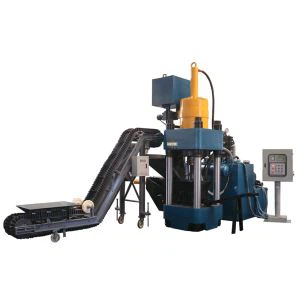
First off, the pre-operation check—this is non-negotiable, skip it at your peril. Most people rush right to dumping metal in, but I can’t tell you how many times a clogged hydraulic line or a loose guard turned a 2-minute job into a 2-hour fix. Let’s start with the basics: power and hydraulics. Your baler runs on hydraulic fluid, right? Check the reservoir level first—if it’s too low, the pump’s gonna whine, and that’s not a sound you want to ignore. I always tell folks to check it with the machine off, cold, so you get an accurate reading; if it’s low, top it up with the exact fluid your manual recommends. Slapping in any old hydraulic fluid? That’s a quick way to corrode the lines or gunk up the valves. Next, inspect the safety guards. Automatic balers have those interlocking gates that won’t let the cycle start if a guard’s open—don’t test that by propping a gate open, even for a second. I’ve seen a loose piece of rebar slip out when the compressing platen retracted, right into a worker’s arm. No job’s worth that. Also, give the compression chamber a once-over. Pull out any random bits of wire, bolts, or even plastic trash that might’ve gotten stuck from the last run. Small stuff like that can jam the platen or tear the baler’s inner liner. Oh, and check the bale wire or tie straps—make sure you’ve got the right length, no frayed edges, because a broken tie mid-cycle means your bale’ll fall apart. Last pre-check: test the automatic cycle once with empty chamber. Hit the “auto” button, let it do a full cycle—platen moves in, presses, retracts, feed door opens. Listen for any weird clunks or squeaks; if something’s off, don’t run it until you fix it. Your baler’s only as good as the checks you do before turning it on.
Now, loading the metal—this is where you keep the automated part working. Automatic balers can handle a lot, but they’re not mind readers, so how you load makes a huge difference. First, sort your metal. I know, sorting’s a pain, but mixing heavy steel with thin aluminum? The aluminum’ll get squished before the steel compacts, leading to loose bales that fall apart on the truck. Even worse, mixing non-metal stuff—wood, plastic, rubber—can damage the platen. One customer of mine used to dump old tires in his baler without thinking; the rubber got caught in the hydraulic lines and cost him a grand in repairs. Stick to clean metal: steel scrap, aluminum extrusion, copper pipes, cast iron. Next, don’t overstuff the feed hopper. Yeah, it’s tempting to dump a whole pile at once, but if you cram too much in, the baler’s gonna strain. Most automatic balers have a sensor that stops the cycle if the chamber’s full, but if you override that, you’re asking for a jam. I recommend loading in layers: a base of thick steel at the bottom, then thinner metal on top, leaving a little space so the platen can move evenly. Also, avoid long, flexible stuff—like wire or sheet metal that’s longer than the chamber. If you feed a 10-foot sheet metal, it’ll fold over instead of compressing, and you’ll end up with a lopsided bale that’s impossible to tie. If you’ve got long pieces, cut ’em first. It takes 2 extra minutes, but it saves you 2 hours of unjamming later. Pro tip for small scraps: if you’re doing aluminum cans, crush them a little first before loading? No, wait—most automatic balers handle them fine, but don’t pack them too tight right away. The machine will layer them evenly if you feed them in gradually.
Okay, time to run the automatic cycle. This is the fun part, because the machine does most of the work, but there are still little tricks to make it efficient. First, set your bale size and density—this is where your manual’s your best friend, because every model’s a little different. Smaller balers (for home shops or small junkyards) might make 30×30 inch bales, while big industrial ones do 48×72. Density matters because that’s what you get paid for—recyclers pay more for tight, solid bales. Don’t just use the default setting; adjust based on your metal. For thin aluminum, you can crank the density a little higher, but for thick steel, you might need to slow the platen speed to avoid straining the hydraulic pump. Now, hit the “auto” button, and step back. Wait, no—don’t just lean on the control panel scrolling TikTok. Keep an eye on the cycle. Sometimes, a piece of metal’ll shift mid-compression, or a tie wire’ll get tangled. If you see the cycle stalling, hit the “stop” button right away. Trying to force a stalled cycle can blow a hydraulic seal or bend the platen. I’ve had a guy try to unjam a baler mid-cycle once, got his sleeve caught in the gate—don’t do that. If a jam happens, turn the power off, lock out the machine (there’s a lockout tag on the control box for safety), then clear the chamber manually. That’s non-negotiable for safety. When the cycle finishes, the bale should be tight, evenly shaped, and the tie wire should be secure. If it’s loose, you either didn’t pack the metal right before, or the density setting’s too low—next time, adjust those before starting another cycle.
Tying and ejecting the bale—this is the final step, and it’s where a lot of people mess up, leading to bales that fall apart during transport. First, don’t yank the bale out the second the ejector activates. Let the ejector push it out slowly, so it doesn’t get hung up on the chamber edges. Once it’s out, check the ties. If you’re using wire ties, make sure they’re twisted tight—use a wire twister tool, not your hands, to avoid cuts. If you’re using plastic straps, check for any cracks in the strap; a tiny crack now means it’ll break on the truck, and your bale’s going to turn into a mess on the highway. Also, stack bales properly—don’t stack light aluminum bales under heavy steel ones, because the aluminum’ll get crushed. Keep them on a flat, solid surface (concrete is best, avoid dirt or gravel) so they don’t tip over. One customer had his bales stacked on a gravel lot, and one fell over, rolled into his forklift, and dented the forklift’s cab. That’s a $2,000 mistake that could’ve been avoided with proper stacking.
Now, post-operation maintenance—this is the secret to making your baler last years, not months. A lot of guys run the machine until it dies, then panic, but regular small checks are way easier than big repairs. After every shift, turn the machine off, wipe down the compression chamber to remove any metal shavings—shavings can get into the hydraulic lines and cause wear. Spray the platen rails with a light oil to prevent rust, especially if you’re working in a damp environment (like a coastal junkyard). Once a week, check all the hydraulic hoses for leaks—look for wet spots or cracks. A small leak now can turn into a big one if you ignore it, and hydraulic fluid ain’t cheap. Also, check the electrical connections, especially if your baler’s external (not buried underground) — loose wires can cause the automatic cycle to mess up, or even a power surge that damages the control panel. Every 3 months, change the hydraulic fluid and filter. Yeah, that’s a bit of a chore, but dirty fluid is the #1 cause of baler breakdowns. I’ve seen a baler last 15 years just because the owner did this regularly, and another one die in 2 years because he skipped it. Safety reminder: whenever you do any maintenance, lock out the power. No exceptions—even if you’re just changing a filter, don’t let the machine turn on while you’re working on it.
Wait, let’s talk common mistakes I see all the time, just to wrap this up. First, rushing pre-checks—like I said, that’s how accidents happen. Second, overloading the chamber—most automatic balers have a max load, and exceeding it makes the motor work twice as hard, shortening its life. Third, mixing non-metal with metal—don’t even think about it. Fourth, skipping post-maintenance—you’re wasting money if you do that. And fifth, ignoring strange sounds—if it’s making a clunk it didn’t use to, don’t keep running it; call a tech (or if you bought your baler from someone like me, give their support line a ring).

Now, if you’re in the market for an automatic hydraulic metal baler, or you’ve got one that’s giving you trouble, don’t wing it. A good baler’s an investment, and operating it right means more bales, less downtime, and fewer injuries. If you’ve got questions about your specific model, or you’re looking to upgrade to a more efficient automatic baler, hit me up to chat. I’m always here to help folks get the most out of their equipment, no sales pitch, just real advice from someone who’s been in the game for years.
Radiator Stripper Machine References:
- Scrap Metal Recycling Equipment Association. "Safe Operation Guidelines for Automatic Hydraulic Metal Balers." 2022.
- Hydraulic Systems Maintenance Handbook. "Pre-Operation Checks and Preventive Care for Industrial Balers." 2021.
- Occupational Safety and Health Administration (OSHA). "Machine Guarding Requirements for Recycling Equipment." 2020.
- Global Recycling Council. "Best Practices for Metal Sorting and Bale Density Optimization." 2023.
- Equipment Journal. "Common Failure Points in Automatic Metal Balers and How to Avoid Them." 2022.
Xi’an Grand Harvest Equipment Co., Ltd.
Xi’an Grand Harvest Equipment Co., Ltd. is one of the leading hydraulic metal baler manufacturers and suppliers in China. We warmly welcome you to buy or wholesale cheap hydraulic metal baler for sale here from our factory. All customized products for distributors and dealers are with the best quality and low price.
Address: Room 603, Building G, Wangzuo Modern City, No. 35 Tangyan Road, Hi-Tech Zone, Xi’an, Shaanxi, China.
E-mail: coppergranulator@bsghrecycling.com
WebSite: https://www.bsghrecycling.com/
