Hey everyone, let’s cut to the chase—if you’re here because your grinding wheel’s vibrating like a maniac when you fire it up, I get it. I’m a grinding wheel supplier, so I’ve talked to hundreds of folks freaking out over this exact problem. Vibration isn’t just annoying, it’s a total headache: it ruins your work piece, wears out your wheel way too fast, and even can be a safety hazard if you’re not careful. So let’s break this down, no stuffy jargon, just real stuff I’ve seen with my own customers and the science behind it. Шлифовальный круг
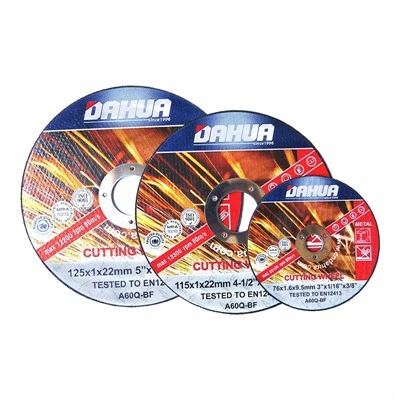
First off, let’s be clear—tiny vibration is normal, right? No wheel’s perfectly flawless, but if you can actually feel it through the handle, or see it making ugly lines on your metal, that’s when you need to look closer. Most people jump straight to “my wheel’s bad” when that’s not always the case. Let’s start with the most common culprit, and it’s not what you might think: the wheel itself isn’t balanced. Wait, I know, balancing sounds like a fancy garage task, but it’s actually super straightforward if you get the basics.
Grinding wheels are made of abrasive grit, bond material, and air pockets—they’re not solid metal, so their weight isn’t perfectly spread out. If a clump of grit is a little thicker on one side, or there’s a tiny gap in the bond on the opposite side, that unbalanced weight creates force when the wheel spins. It’s like when you have a load of laundry that’s lopsided in the washer—you hear that thump-thump-thump, same idea, just way faster because grinding wheels spin at like 3,000 to 10,000 RPM. Even new wheels from my shop can be a little off if they were stored wrong, like stacked too heavy on one edge, or if they were handled roughly during shipping. I had a guy last month bring back a brand-new wheel, swear it was defective, and turns out he’d just set it on a concrete floor unevenly, messing the balance before he even mounted it. Dumb mistake, but super common.
Next up, mounting issues—this is probably the number one mistake I see all the time. You’d be shocked how many people just slap a wheel on the spindle, tighten the nut as hard as they can with a wrench, and call it a day. Wrong. There are two keys here: the spindle flange and the mounting hub. Flanges are those metal discs that hold the wheel on, right? They need to be the exact size for your wheel, not too big or too small. If your flange is too narrow, it doesn’t support the whole back of the wheel, so one side flexes when it spins, causing vibration. Also, you have to put a thin, soft gasket between the flange and the wheel—usually paper or rubber—to spread the pressure evenly. Skip that gasket? You’re asking for trouble, because the metal flange will dig into the wheel, creating an uneven force. And don’t over-tighten the nut! I’ve seen someone snap a spindle last year because he cranked the nut so hard the wheel cracked, and that cracked wheel vibrates like crazy. Tighten it until it’s snug, then just a little more—no Hulk stuff.
Then there’s wheel condition, and I’m not talking about balance. Dressing and truing—those two words get mixed up all the time, but they’re both non-negotiable. Dressing is when you remove the dull, loaded grit on the surface of the wheel. Loading happens when soft metal (like aluminum or mild steel) gunk up the pores of the wheel, so it can’t cut properly. When the grit is all gunked up, the wheel doesn’t spin smoothly—it skips, which causes vibration. I had a customer grinding aluminum parts last quarter, and he didn’t dress his wheel for three shifts. He called me at 2 a.m. panicking, saying his machine was shaking so bad it was moving across the floor. Turned out the wheel was so loaded with aluminum, it was acting like a lumpy disc. Truing is different—it’s fixing the shape of the wheel. If your wheel got knocked a little out of round (like if you dropped it, or hit a hard piece of metal mid-grind), it’s not a perfect circle anymore. Spinning an oval wheel at high speed? That’s like riding a bike with a bent rim—you shake all over. Dressing and truing only take a minute, I teach all my regular customers how to do it quick, and it eliminates so much vibration. Don’t skip that step, I beg you.
Wait, what about the machine itself? A lot of people blame the wheel when the real problem is their grinder. If the spindle of your grinding machine is worn out—like, there’s play when you wiggle it back and forth—that’s going to make everything vibrate, wheel or no wheel. Or if the machine isn’t bolted down tight, it’s rocking on the workbench. Or maybe you’re using the wrong wheel for the job—oh, that’s a big one I can’t stress enough. If you use a coarse-grit wheel for a precision finish job, it’s going to chatter, which feels like vibration. Or a hard bond wheel grinding soft metal—same thing. It’s like using a flathead screwdriver to Phillips screw; it’s not designed for the task, so it slips, shakes, makes a mess. I always tell people to check the wheel specs before they grab one: grit size, bond type, maximum RPM. If your wheel’s max RPM is lower than your grinder’s spindle speed? That’s a recipe for disaster. The wheel will spin too fast, break apart, vibrate, all the bad stuff.
Another weird one I’ve seen: contamination or damage on the wheel. If you get a tiny crack in the wheel, even a hairline one from dropping it or over-tightening the nut, that crack will get worse as it spins, and the wheel will wobble. Or if you get oil or grease on the mounting surface of the wheel (the part that sits against the flange), that creates a slippery spot, so it doesn’t sit flush on the spindle, causing imbalance. I had a guy once mount a wheel that had a little dirt on the hub side, and he spent an hour troubleshooting thinking the wheel was defective, when all he had to do was wipe that spot clean. Dirt, dust, oil—small stuff, big effect.
Let’s talk about a less obvious one: thermal damage. If you grind something so hot that the wheel overheats, the bond material can break down unevenly, or the wheel can warp. Like, if you’re grinding non-stop for hours without letting the wheel cool, it can expand on one side, causing it to go out of balance. I had a customer who was running a night shift with no one monitoring the machine, and his wheel got so hot it bent a little, vibrated so bad it ruined three work pieces before he figured it out. Don’t run your grinder on 100% duty cycle non-stop—give the wheel a break every now and then, let it cool.
Wait, let’s make this practical. If your wheel is vibrating, what should you do step by step, instead of panicking? First, check the basics: is the machine bolted down tight? Wiggle the spindle a little—if there’s play, that’s a machine problem, not the wheel. Then take the wheel off, inspect it for cracks, chips, damage, make sure both the wheel hub and flanges are clean. Check that the flanges are the right size for the wheel, add that gasket, tighten the nut snug (not too tight). If you mounted it right and it’s still vibrating, it’s probably balance or shape—so you need to true and dress it, or have it balanced. If that still doesn’t work? It might be a bad wheel, and I’ll send you a replacement no questions asked, because that’s part of being a good supplier.
I know how frustrating this is—you’re trying to get work done, make parts, meet deadlines, and your wheel is fighting you every step. That’s why I built my business to make this stuff easier, not harder. I don’t just sell grinding wheels; I give customers free tips on mounting, balancing, dressing, all that stuff, because I’ve been there, I’ve dealt with the headaches. If you’re tired of your wheel vibrating, if you’re going through wheels too fast, if you’re sick of ruined work pieces, hit me up to chat. Tell me what kind of grinder you use, what jobs you’re doing, and we can figure out the right wheel and setup to stop that vibration for good. No hoops to jump through, no sales pitch pressure, just real help from someone who’s in this industry every single day.
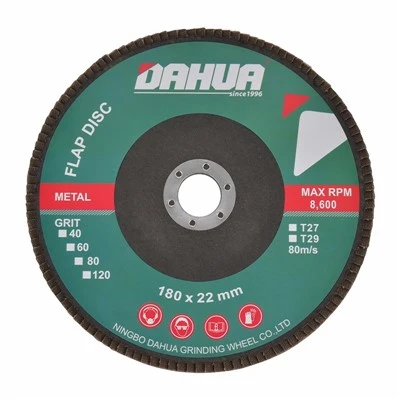
At the end of the day, vibration doesn’t have to be a mystery. It’s almost always one of a handful of simple, fixable issues—balance, mounting, condition, machine setup, wrong wheel choice. You don’t need a degree in engineering to figure it out, you just need to pay attention to the small details, and if you get stuck, I’m here to help. Stop wasting time fighting your grinder, get back to grinding what you need, with a setup that works for you. Reach out anytime to discuss your grinding wheel needs.
Flap Disc References
- M. E. Harisi, “Vibration analysis of grinding machines: Causes and corrective actions,” International Journal of Machine Tools and Manufacture, vol. 42, no. 3, pp. 345–353, 2002.
- A. K. Chattopadhyay, Grinding Technology: Theory and Applications of Machining with Abrasives, Society of Manufacturing Engineers, Dearborn, MI, 1989.
- Grinding Wheel Institute, “Mounting and Balancing Grinding Wheels,” GWI Technical Bulletin 101, 2018.
- J. A. Webster, “Wheel condition effects on grinding vibration and surface quality,” Journal of Manufacturing Processes, vol. 12, no. 2, pp. 89–95, 2010.
- OSHA, “Grinding Machine Safety Guidelines,” Occupational Safety and Health Administration, 2021.
Ningbo Dahua Grinding Wheel Co., Ltd.
As one of the most professional grinding wheel manufacturers and suppliers in China, we’re featured by quality products and good service. Please rest assured to buy durable grinding wheel made in China here from our factory. Also, quotation is available.
Address: INDUSTRIAL ZONE, HENGXI TOWN, YINZHOU, NINGBO, CHINA
E-mail: vivian@cndahua.com
WebSite: https://www.dahuacuttingwheel.com/
