If you’ve ever stood next to a steel billet reheating furnace as it roars to life, the first thing that hits you is the sheer, searing heat pouring out. For anyone new to the steel industry, it’s easy to see the furnace as a single, brute-force machine, with every part working to turn cold, solid billets into the malleable stock that will go into everything from car frames to construction beams. But ask any furnace operator, and they’ll tell you the burner is the unsung heart of that system—no burner, no consistent heat, no usable billet, no production. As someone who’s supplied reheating furnace components and designed custom setups for steel mills across the globe for over 12 years, I’ve seen firsthand how a burner’s design, maintenance, and tuning can make or break a mill’s efficiency, output, and bottom line. Steel Billet Reheating Furnace
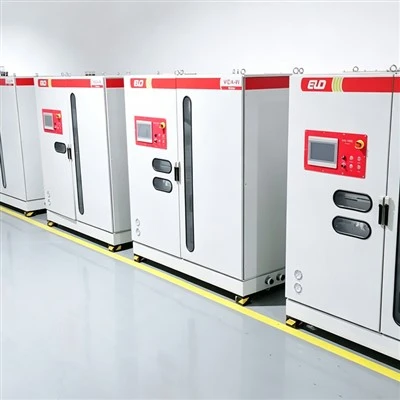
Let’s start with the basics: what a reheating furnace does, because without that context, a burner’s role doesn’t make sense. A steel billet is a solid, rectangular piece of steel, usually 10 to 40 feet long, cut from a slab or cast directly. Before it can be shaped into rails, bars, or tubes, it has to be heated evenly through its entire cross-section—often to 1,100°C to 1,250°C, depending on the steel grade and the rolling process it’s destined for. Heat it too fast, and the outer layer of the billet will overheat, damaging its grain structure and making it brittle. Heat it unevenly, and when it’s rolled, you’ll get thin spots or cracks that waste material. Waste too much fuel heating it, and your energy costs skyrocket. That’s where the burner comes in. It’s not just a fire starter; it’s the control center that balances all these variables, keeping the furnace working as it should.
At its core, a burner’s primary job is to mix fuel (usually natural gas, but sometimes propane, blast furnace gas, or even clean waste gas from the mill itself) with air in precise ratios, then ignite that mixture to generate a high-temperature, evenly distributed flame inside the furnace. But that simplicity is misleading. A poorly designed burner will burn fuel unevenly, create hot spots that warp billets, or waste 20% more fuel than necessary. Over my career, I’ve worked with mills that upgraded their burners and saw energy costs drop by 15% in just three months, simply because the new burners matched the furnace’s size and the billet throughput. That’s not a small win for a mill that runs 24/7.
One of the most critical, and often overlooked, roles of a reheating furnace burner is heat distribution inside the chamber. Reheating furnaces aren’t just boxes; they’re divided into zones—preheat, heat, and soak zones, each with a specific temperature goal. The preheat zone, near the furnace’s entrance, is where cold billets are slowly brought up to 600°C without shocking their structure. The heat zone ramps up the temperature to near the target, and the soak zone ensures the entire billet is the same temperature from edge to center, so rolling is uniform. If a burner is sized for a heat zone but mounted in the preheat zone, it’ll blast too much heat too fast, leading to that uneven heating I mentioned. I once consulted a mill that was rejecting 8% of its billets due to surface cracks, and the root cause was a mismatched burner: they’d installed high-velocity burners in the preheat zone, which were overheating the billet’s outer layer before the core was warm. Swapping those for low-velocity, air-atomizing burners designed for preheat fixed the rejection rate in six weeks.
Another key function of the burner is combustion efficiency. For a furnace to run economically, fuel and air have to mix perfectly—not too much air (which just gets vented out as excess oxygen, wasting heat) and not too little air (which leads to incomplete combustion, wasting fuel and creating harmful emissions like carbon monoxide). That’s where modern burner technology, like low-NOx (nitrogen oxide) designs, comes in, especially as steel mills face tighter environmental regulations. Ten years ago, most burners were simple, single-point mixers that ran at high excess air levels. Today, the burners we supply use staged combustion, where air is added in two stages: first, enough for initial ignition, then more air later to complete combustion. That cuts NOx emissions by up to 40%, which is a big deal for mills looking to avoid fines. I had a client in the Middle East that was hit with a $120,000 annual emissions fine before they switched to our staged burners; two years later, their fine was down to $18,000, and their fuel use dropped by 12%. That’s a return on investment they saw in less than a year.
Burners also play a role in the furnace’s thermal mass management. Billet reheating furnaces hold a lot of heat in their refractory lining (the brick or ceramic walls) every time they’re heated and cooled. When a burner is tuned properly, it maintains a consistent heat load on the refractory, reducing thermal fatigue that shortens the furnace’s lifespan. I’ve seen furnaces that lasted 15 years vs. 8 years just by using correctly sized, regularly maintained burners. When a burner is misfiring or running unevenly, it causes the refractory to expand and contract too quickly, leading to cracks that need expensive repairs. That’s not just a maintenance cost; a furnace down for three days costs a mill tens of thousands of dollars in lost production.
Of course, none of that matters if the burner isn’t suited to the type of billet being reheated. Smaller, thinner billets need a different flame pattern than larger, heavy billets that require deeper, more uniform heat penetration. For example, a 2-inch diameter wire rod billet can handle a faster heat rate, so we recommend high-speed jet burners that deliver focused heat. A 12-inch diameter structural billet needs a slower, more diffused flame to ensure the core heats up at the same rate as the surface, so we use low-velocity, swirl-mix burners. I can’t tell you how many times a mill will try to use the same burners for every billet size, and end up with either overheated small billets or underheated large ones. That’s why when we work with a new client, the first question we ask is not “what size furnace do you have?” but “what’s the range of billets you’re running, and what’s your target throughput?” That’s how we match the burner to their actual needs, not a one-size-fits-all solution.
Maintenance is another part of a burner’s role that’s often underestimated. A burner is a mechanical part, so over time, fuel nozzles get clogged with debris, air filters get dirty, and ignition systems wear out. Even a small clog in a fuel nozzle can reduce combustion efficiency by 5% or more. We recommend that our clients schedule quarterly burner inspections: cleaning nozzles, checking air-to-fuel ratios, and calibrating ignition systems. I had a client in Canada that didn’t maintain their burners, and after 18 months, their burner efficiency dropped to 78%—meaning they were wasting 22% of their fuel. A simple inspection and tune-up fixed that, and they saved $95,000 a year in fuel costs. That’s the kind of small, regular step that makes a big difference, and it all starts with recognizing that the burner isn’t a set-it-and-forget-it part of the furnace.
Now, let’s talk about what happens when the burner fails, because that really drives home how critical it is. If a burner goes out unexpectedly in the middle of a run, the furnace can cool rapidly. If it cools too fast, the refractory lining can crack irreparably, and even if you relight it, you’ll have to run at a reduced temperature for days while the billets are reheated evenly. Not only do you lose production, but you also waste any billets that were halfway through heating when the burner failed. I once had a client who had two burners go out in their heat zone on a Saturday night; by Monday morning, they’d lost 120 billets (worth over $50,000) and had to shut down the furnace for two days for repairs. Since we installed their backup burner system, they haven’t had that problem again. That’s a key part of a burner’s role too: reliability. A good burner doesn’t just work when it’s running; it has built-in safety features—flame detection, automatic shutoffs if air flow drops, backup ignition systems—to prevent unplanned downtime.
As steel production continues to evolve, especially with the push for more sustainable manufacturing, the burner’s role is changing too. More mills are using alternative fuels, like biogas, hydrogen-blended natural gas, or even captured industrial waste gas. Burners have to be redesigned to handle these fuels, which have different combustion properties than traditional natural gas. For example, hydrogen burns much faster than natural gas, so we’ve developed burners with modified mixing chambers to prevent flashbacks (where the flame travels back into the fuel line, which can cause explosions). We’re also working on burners that recover waste heat from the furnace’s exhaust, using that preheated air for combustion, which cuts fuel use even more. That’s the next step in burner technology, and it’s all tied back to the core role: making the reheating process as efficient, clean, and cost-effective as possible.
At the end of the day, the burner’s role in a steel billet reheating furnace is the bridge between fuel, heat, and usable billets. It’s the part that turns raw energy into the consistent, controlled heat that lets mills produce steel that’s strong, uniform, and ready for the next step. Over 12 years in this industry, I’ve seen too many mills treat burners as an afterthought—cheap components to swap when something breaks—but that’s a mistake. Investing in the right burner, maintaining it regularly, and matching it to your specific operation isn’t just a technical detail; it’s a way to lower costs, reduce waste, and keep production running smoothly.
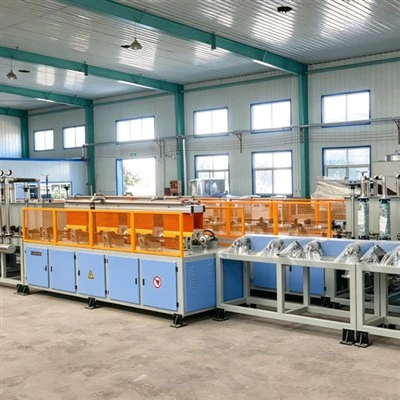
If you’re a steel mill operator, engineer, or plant manager looking to improve your reheating furnace’s performance—whether that’s cutting fuel costs, reducing billet rejection rates, or upgrading to meet new emissions standards—let’s talk. I’ve worked with mills of all sizes, from small local operations to large international steel producers, and I can help you design or upgrade your burner setup to fit your unique needs. Don’t let the unsung heart of your furnace hold your production back.
Induction Heating Power Supply References:
- Hwang, J., & Lee, S. (2019). Combustion Efficiency in Steel Reheating Furnaces: The Role of Burner Design. Journal of Iron and Steel Research International.
- American Iron and Steel Institute. (2021). Reheating Furnace Operations: Best Practices for Maintenance and Performance.
- Liu, Y., et al. (2022). Low-NOx Burner Technologies for Industrial Steel Furnaces: Emission Reduction and Energy Savings. Fuel Processing Technology.
- Steel Manufacturers Association. (2020). Sustainable Billet Reheating: Optimizing Burner Systems for Energy Efficiency.
Hebei Yuantuo Electromechanical Equipment Manufacturing Co., Ltd.
As one of the most professional manufacturers and suppliers of steel billet reheating furnace in China, our products have good reputation in the market. Please rest assured to buy advanced equipment made in China here and get quotation from our factory. Customized orders are welcome.
Address: Yanshan Street West and Jialingjiang Road North, Economic and Technological Development Zone, Wuqiao County, Cangzhou City, Hebei Province, China
E-mail: yuantuotech01@gmail.com
WebSite: https://www.yuantuoem.com/
